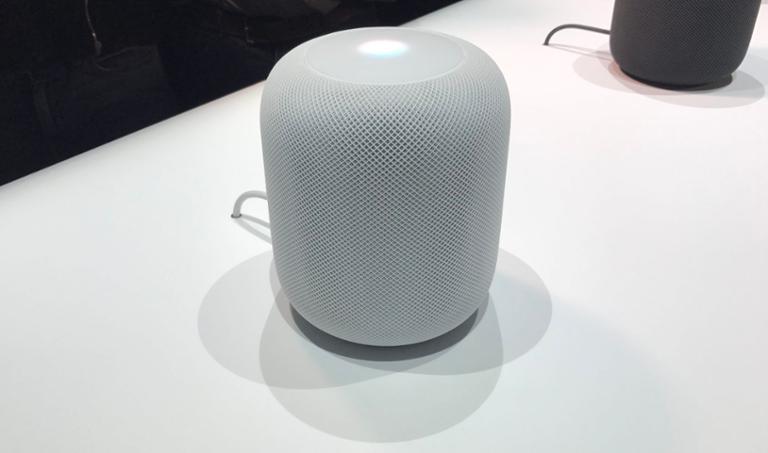
[caption id="attachment_142092" align="aligncenter" width="3663"] 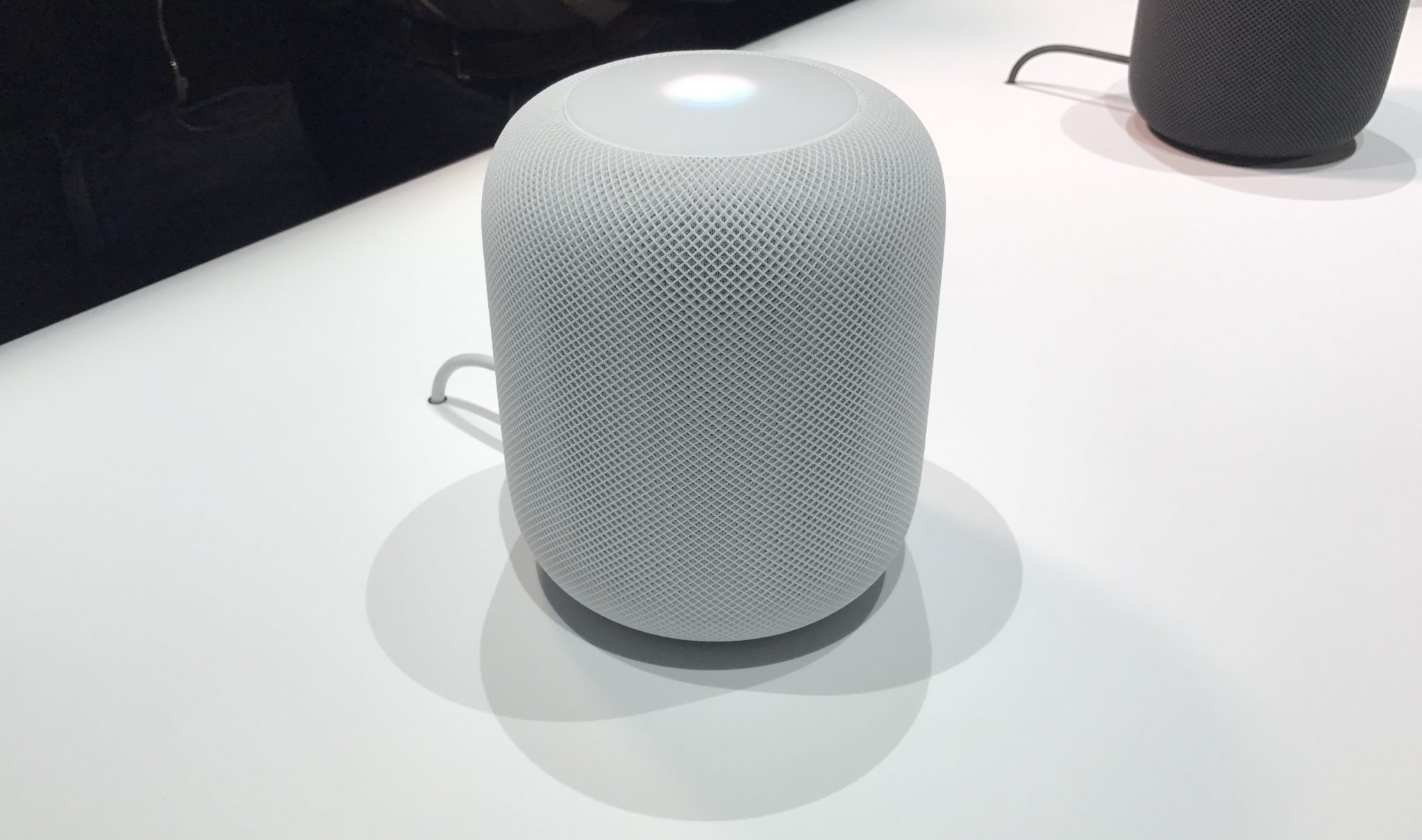 HomePod at WWDC 2017[/caption] The connected home was supposed to be exciting. The ability to command various in-home accessories outfitted with cutting-edge software and hardware was a big idea, but it’s mostly sputtering along. With HomePod, Apple is making an official foray into the connected home-speaker space, but can it drive the company’s connected-home platform, HomeKit, forward? HomeKit is not new. Announced at WWDC 2014, HomeKit tried to bridge a unique gap in the connected home space: security. Not only was Apple saying the connected home was important, but it promised that our info and data would not be filtered through the cloud before coming back down to Earth (so to speak). But it’s the cloud that helped the likes of Nest (eventually acquired by Google) and Amazon's Alexa push forward. In offloading the heavy lifting to cloud-based engines, these devices were able to work with other appliances and hardware almost at-will. (Getting an accessory to work with Nest, for example, is a matter of software more than it is hardware.) Partners is another Apple pain-point. While its MFi program for accessory manufacturers is thorough and official, it’s tedious. Jumping through the various hoops and using the internals that Apple deems appropriate all seems a bit too fussy for the connected home. But when AWS had its surprising outage earlier this year, HomeKit was left mostly untouched. A spat of users on other platforms complained, but HomeKit seemed fine. It might have been the turning point for Apple’s platform; neither Google Home nor Alexa could save us when the cloud crashed. At WWDC 2017, Apple rolled out its own version of Alexa, the HomePod. A nod to the original iPod and its transformative effect on the music industry, Apple says its powerhouse HomePod will change how we listen to music at home. It’s clever marketing; rather than talk up the device's connected-home smarts, Apple is hitting us where we live, figuratively and literally. While Alexa has a ton of skills, data shows that users typically ask it to play music. Connecting to a third-party music service is also widely requested (HomePod will work hand-in-glove with Apple Music, naturally). It’s also why Siri now has a feature Apple calls “Personal DJ,” which taps into Apple Music when you say something like “play some music” and predicts what you may want to hear based on artists and tracks you listen to. Controlling lights is second on the list, but other smart home features, such as turning the temperature up or down, don’t rank highly. It’s also worth noting that Siri is lacking when compared to Google Assistant or Alexa. It’s only this year that Siri has been updated to allow us to add items to a list, and simpler queries routinely show how bad Siri is at contextual awareness. Again, these are improvements Apple is making at this year’s WWDC, but it’s still far behind other platforms. [caption id="attachment_142093" align="aligncenter" width="1398"]
  HomeKit WWDC 2017[/caption]
HomePod at WWDC 2017[/caption] The connected home was supposed to be exciting. The ability to command various in-home accessories outfitted with cutting-edge software and hardware was a big idea, but it’s mostly sputtering along. With HomePod, Apple is making an official foray into the connected home-speaker space, but can it drive the company’s connected-home platform, HomeKit, forward? HomeKit is not new. Announced at WWDC 2014, HomeKit tried to bridge a unique gap in the connected home space: security. Not only was Apple saying the connected home was important, but it promised that our info and data would not be filtered through the cloud before coming back down to Earth (so to speak). But it’s the cloud that helped the likes of Nest (eventually acquired by Google) and Amazon's Alexa push forward. In offloading the heavy lifting to cloud-based engines, these devices were able to work with other appliances and hardware almost at-will. (Getting an accessory to work with Nest, for example, is a matter of software more than it is hardware.) Partners is another Apple pain-point. While its MFi program for accessory manufacturers is thorough and official, it’s tedious. Jumping through the various hoops and using the internals that Apple deems appropriate all seems a bit too fussy for the connected home. But when AWS had its surprising outage earlier this year, HomeKit was left mostly untouched. A spat of users on other platforms complained, but HomeKit seemed fine. It might have been the turning point for Apple’s platform; neither Google Home nor Alexa could save us when the cloud crashed. At WWDC 2017, Apple rolled out its own version of Alexa, the HomePod. A nod to the original iPod and its transformative effect on the music industry, Apple says its powerhouse HomePod will change how we listen to music at home. It’s clever marketing; rather than talk up the device's connected-home smarts, Apple is hitting us where we live, figuratively and literally. While Alexa has a ton of skills, data shows that users typically ask it to play music. Connecting to a third-party music service is also widely requested (HomePod will work hand-in-glove with Apple Music, naturally). It’s also why Siri now has a feature Apple calls “Personal DJ,” which taps into Apple Music when you say something like “play some music” and predicts what you may want to hear based on artists and tracks you listen to. Controlling lights is second on the list, but other smart home features, such as turning the temperature up or down, don’t rank highly. It’s also worth noting that Siri is lacking when compared to Google Assistant or Alexa. It’s only this year that Siri has been updated to allow us to add items to a list, and simpler queries routinely show how bad Siri is at contextual awareness. Again, these are improvements Apple is making at this year’s WWDC, but it’s still far behind other platforms. [caption id="attachment_142093" align="aligncenter" width="1398"] HomeKit WWDC 2017[/caption]